Category: Web Development

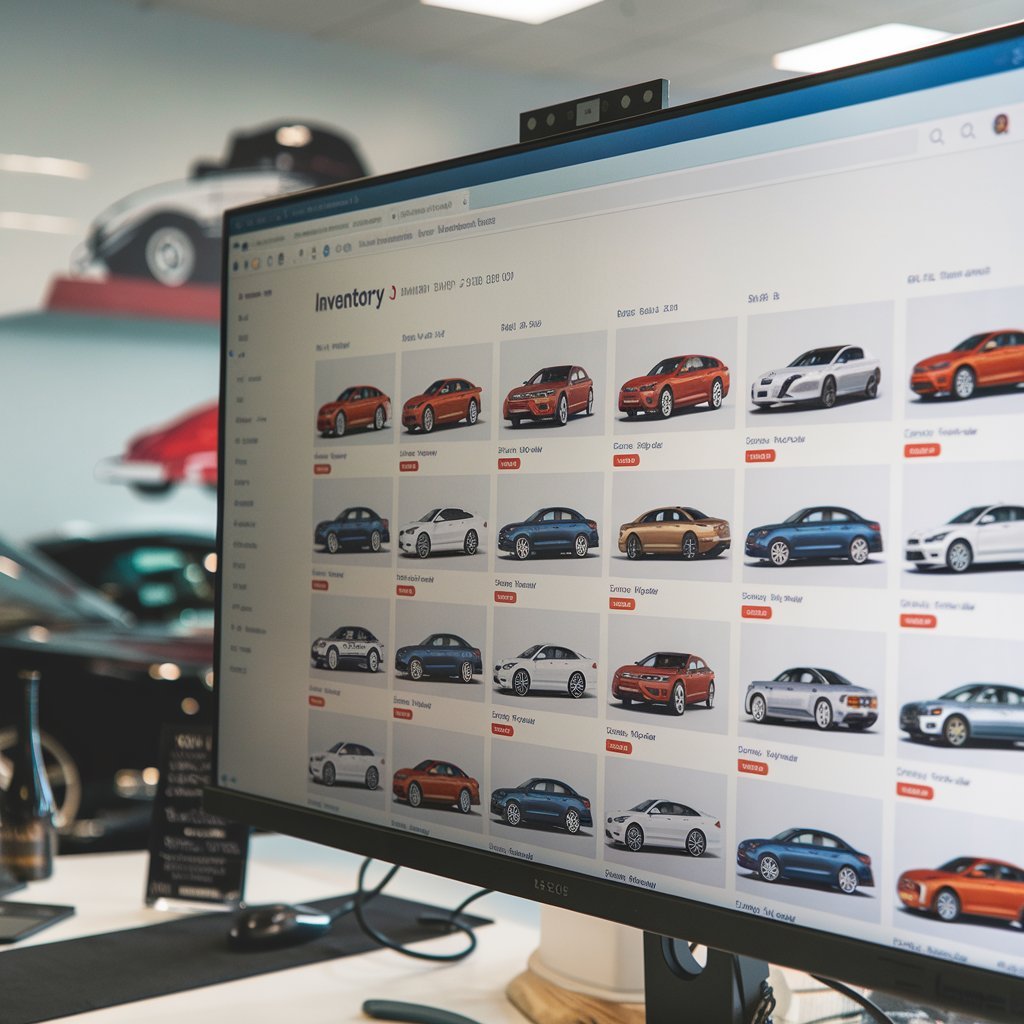
  • The Best Web Design Agency for Car Dealerships – Why Cars by Damerax Stands Out

    Introduction In today’s competitive automotive market, having a strong online presence is essential for car dealerships. If potential buyers can’t find your inventory online, you’re missing out on countless sales opportunities. That’s where Cars by Damerax, a leading web design agency for car dealerships, comes in. We specialize in building powerful, SEO-optimized, and high-performance websites tailored specifically for used and new car dealerships.

    Why Car Dealerships Need a Professional Website Most car buyers begin their search online before visiting a dealership in person. A professional website ensures:

    • 24/7 online presence – Your inventory is accessible anytime, anywhere.
    • Better credibility and trust – A modern, fast, and secure website boosts customer confidence.
    • More leads and sales – With integrated contact forms, finance applications, and inventory management, conversions increase significantly.

    How Cars by Damerax is Different from Other Web Designers

    Unlike generic web designers or freelancers, Cars by Damerax provides a complete package designed specifically for car dealerships. Here’s what makes us different:

    1. Web Hosting Included – Our packages include cloud-based hosting, ensuring fast performance and reliability.
    2. SSL Security for Every Site – We install a high-level SSL certificate on all websites for maximum security.
    3. Inventory Management System – Dealerships can upload up to 10 cars every month for free, making it easy to keep listings up to date.
    4. SEO-Optimized Websites – Our websites are built with SEO in mind, helping dealerships rank higher on Google.
    5. MSME Registered & Legal Agreement – We provide a formal agreement, ensuring transparency and professionalism.
    6. Ongoing Technical Support – Unlike freelancers who hand over a site and disappear, we offer continuous support as per your selected plan.

     

    SEO Strategies We Implement for Car Dealership Websites

    To ensure your dealership ranks on Google, our experts implement:

    • Keyword Optimization – We target relevant terms like “used cars for sale,” “buy a car online,” and “best car dealership website.”
    • Fast Loading Speed – We optimize your site for speed, ensuring higher rankings and lower bounce rates.
    • Mobile-First Design – Over 70% of car buyers search on mobile, so we create fully responsive websites.
    • Local SEO Optimization – We optimize your Google My Business profile and integrate location-based SEO to attract local buyers.


    Final Thoughts If you’re searching for a web design agency for car dealerships, look no further than Cars by Damerax. We don’t just build websites – we create powerful, sales-driven digital solutions that help dealerships thrive in a competitive market. Contact us today and drive your dealership to success!

    Call to Action: 🚀 Ready to transform your dealership’s online presence? Visit cars.damerax.com to get started!

     

  • How Much Does a Tours and Travel Website Cost in India? Beware of cheapest bait

    How Much Does a Tours and Travel Website Cost in India? Beware of cheapest bait

    India culture image

    Travel Website Cost in India – When planning to build a tours and travel website in India, one of the first questions that arises is: What will it cost? The pricing for creating a website depends on several factors, including the complexity of the website, the features you need, and the expertise of the developer or agency you choose.

    1. Basic Website Costs

    A basic travel website without advanced features, such as booking systems or e-commerce integration, typically costs between ₹12,500 and ₹35,000. These websites are ideal for small travel businesses that don’t require complex systems. However, this basic approach may lack essential features like multi-language support or payment gateway integration, which are crucial for a growing travel business.

    2. Custom Features and Enhanced Functionality

    For a more professional travel website, expect to pay anywhere between ₹55,000 and ₹1,50,000. These websites come with custom trip pages, booking systems, and payment gateways like PayPal or direct bank integration. You may also choose to integrate flight booking systems (domestic and international) to enhance customer experience and increase revenue. A website with these features will appear more professional and streamline the booking process, making it easier to cater to international clients.

    3. Cheap Offers and Hidden Costs

    While it’s tempting to opt for cheaper options, particularly from freelancers or DIY website builders, there are hidden costs. Freelancers using free plugins or pre-built templates may offer lower prices, but these websites often lack proper security, scalability, and a professional look. Over time, these cheaper websites may lead to higher maintenance costs, security vulnerabilities, and a poor user experience, negatively affecting your business reputation and customer satisfaction.

    4. What You Get with Damerax Cloud Solutions

    At Damerax Cloud Solutions, we provide high-quality, custom-built travel websites that deliver long-term value. Our services include:


        • Your own domain and business email address

        • 1 year of free hosting with secure maintenance

        • PayPal and bank account integration for seamless payments

        • Multilingual translation support for international customers

        • Integration of flight booking systems (domestic and international) to boost revenue

      We work on a transparent, agreement-based system, with no hidden charges and clear communication from the start. You’ll get a high-quality, fully functional travel website that meets your business needs.

      5. Additional Value & Professional Support

      Maintaining a professional website is an ongoing process. That’s why we offer:


          • One free site update per month for the first year

          • Ongoing customer support via chat for any technical issues

          • Help with adding new trips or making minor changes

          • WhatsApp integration for easy communication and bookings

        With Damerax, you’ll never be left in the dark about your website’s performance. Our team ensures that your travel business remains competitive with a fully maintained website that adapts to your growing needs.

        6. Why Professional Solutions Matter

        While cheaper solutions may seem like a quick fix, they often leave your website vulnerable to issues that can harm your business in the long run. Investing in a professional travel website ensures that your site is user-friendly, secure, and capable of handling increasing traffic and bookings. The inclusion of features like multilingual support, secure payment gateways, and flight bookings will elevate your brand, making your site more attractive to international customers.

        7. Competitive Pricing and Transparent Agreements

        While freelancers may offer lower prices (typically ₹10,000 to ₹25,000), they often rely on basic templates or free plugins, which could result in costly issues down the road. At Damerax Cloud Solutions, our pricing starts at ₹55,000 and includes a transparent agreement with custom features, secure hosting, and ongoing support.

        We ensure that you get exactly what you pay for—no hidden charges, no surprises.

        8. Final Thoughts: Building Your Travel Website for Success

        The cost of building a tourism website in India is an investment in your business’s success. Whether you’re a small travel agency or an established tour operator, choosing the right solution is crucial. With Damerax Cloud Solutions, you not only get a high-quality, feature-rich website but also the support you need to ensure that your site performs at its best.

        Choosing an affordable, professional web design agency will save you time, effort, and costs in the long run, ensuring that your travel website remains a powerful marketing tool that drives customer bookings and business growth.

        Check out our recent project: mygoatrips.damerax.com

      • The Rising Tide of ADA Website Accessibility Lawsuits: What You Need to Know

        The Rising Tide of ADA Website Accessibility Lawsuits: What You Need to Know

        The Importance of Website Accessibility

        Website accessibility is crucial. To ensure that all users can navigate and interact with online content. Compliance with the Americans with Disabilities Act (ADA) is not only a legal requirement but also a moral obligation for businesses. Failing to comply can lead to a lawsuit of ADA violations, which can be financially and reputationally damaging. Avoid ADA Website Accessibility Lawsuits.

        Current Trends in ADA Website Accessibility Lawsuits

        In recent years, there has been a significant increase in the number of lawsuits filed for non-compliance with ADA website accessibility standards. According to data, the number of ADA website accessibility lawsuits has surged, with thousands of cases being filed annually.

        By 2024, it is projected that these numbers will continue to rise as awareness and enforcement of website accessibility laws grow.

        Financial Implications of Non-Compliance

        The financial repercussions of failing to meet ADA accessibility standards can be substantial. On average, businesses found non-compliant with website accessibility requirements may face lawsuits resulting in settlements. Fines ranging from $20,000 to $55,000 per case. Moreover, the costs associated with redesigning a website to meet accessibility standards can add to the financial burden.

        Ensuring that your website complies with ADA guidelines not only helps in avoiding these lawsuits but also enhances the user experience for all visitors. Proactively addressing web accessibility can serve as a preventive measure against future legal action and demonstrate a commitment to inclusivity.

      • Understanding Web Accessibility Lawsuits in the USA [Updated 2023]

        Understanding Web Accessibility Lawsuits in the USA [Updated 2023]

        The Four Principles of Accessibility: POUR

        In the realm of web accessibility, the WCAG has established four fundamental principles known by the acronym POUR: Perceivable, Operable, Understandable, and Robust. These principles ensure that websites are accessible to individuals with disabilities, providing them with an equitable online experience.

        Consequences of ADA Non-Compliance

        Website owners in the USA must adhere to ADA (Americans with Disabilities Act) compliance. Failure to do so can lead to serious consequences. Individuals with disabilities, disability advocacy groups, and even the Department of Justice can file lawsuits against non-compliant websites. These lawsuits often result in financial settlements, court-ordered remedies, and legal fees.

        Role of Disability Advocacy Groups

        Disability advocacy groups play a crucial role in promoting web accessibility. They often act as watchdogs, ensuring that websites comply with accessibility standards and advocating for the rights of individuals with disabilities. By raising awareness and filing lawsuits when necessary, these groups drive significant improvements in the digital landscape.

        It’s essential for websites to follow the POUR principles to avoid the legal ramifications of ADA non-compliance. Maintaining a robust, operable, understandable, and perceivable web presence not only helps avoid lawsuits but also promotes inclusivity for all users.

      • “Importance Of Website Accessibility In France, Germany And The Netherlands”

        “Importance Of Website Accessibility In France, Germany And The Netherlands”

        In recent years, there has been a growing focus on website accessibility for people with disabilities in the European Union (EU). The lack of accessibility on websites can result in exclusion from the digital world, a major issue in today’s society. Fortunately, there are accessibility norms and guidelines in place to help web developers create accessible websites in the EU. In this blog post, we will take a closer look at the accessibility norms and guidelines in France, Germany, and The Netherlands, and provide insights on how to make websites more accessible to people with disabilities.

        Accessibility Norms in France

        In France, there are a few accessibility norms in place for websites. The first is the AccessiWeb certification, which is awarded to websites that have met certain criteria for accessibility. Websites can also comply with the RGAA (Référentiel Général d’Accessibilité pour les Administrations) which is a set of accessibility guidelines for public sector websites in France. Both AccessiWeb and RGAA are promoted by Paris-based BrailleNet and can be used for accessibility testing by web developers.


        Accessibility Norms in Germany

        In Germany, the most widely used accessibility norm for websites is the BITV (Barrierefreie Informationstechnik-Verordnung), which is based on the WCAG (Web Content Accessibility Guidelines) 2.0 Level AA. BITV is a legal regulation that requires German public authorities and institutions to make their websites and mobile applications accessible to people with disabilities. In addition, there is the Trusted Shops initiative, which provides accessibility guidelines for e-commerce websites.


        Accessibility Norms in The Netherlands

        In The Netherlands, websites are encouraged to comply with the WCAG 2.1 guideline, which is a set of international guidelines created by the World Wide Web Consortium (W3C). The guidelines are aimed at making web content more accessible to people with disabilities and are widely accepted internationally. In addition to WCAG, The Netherlands also offers an accessibility label called Drempelvrij, which indicates that a website complies with certain accessibility criteria.


        To create an accessible website, it’s important to follow accessibility norms and guidelines. Here are a few insights on how to make your website more accessible:

        Use descriptive headings and subheadings to help users navigate your website more easily
        Ensure that all images have alt text that accurately describes the content of the image
        Avoid using color as the sole means of conveying information
        Ensure that all videos have closed captioning or transcripts
        Provide keyboard support for all functions and elements on your website
        Use accessible forms with clear labels and instructions
        Ensure that your website is compatible with assistive technology such as screen readers and magnifiers
        In conclusion, there are accessibility norms and guidelines in place to help web developers create accessible websites in the EU. Following these norms and guidelines can help ensure that your website is more inclusive and accessible to everyone. By understanding the norms and guidelines in France, Germany, and The Netherlands, web developers can take appropriate steps to make their websites more accessible to people with disabilities.